Understanding Teething: Signs, Soothing, and What’s Normal

Carla's Love School | Childcare Services Somerset West

Teething is one of the biggest milestones in your baby’s first year — and often one of the most challenging. As those tiny teeth begin to appear, your little one may experience discomfort, disrupted sleep, or changes in mood. Understanding what’s happening beneath the gums can help you soothe your baby with confidence and care.

At Carla’s Love School, we guide parents through this natural developmental stage with evidence-based advice that brings calm to those tender moments.

When Does Teething Start?

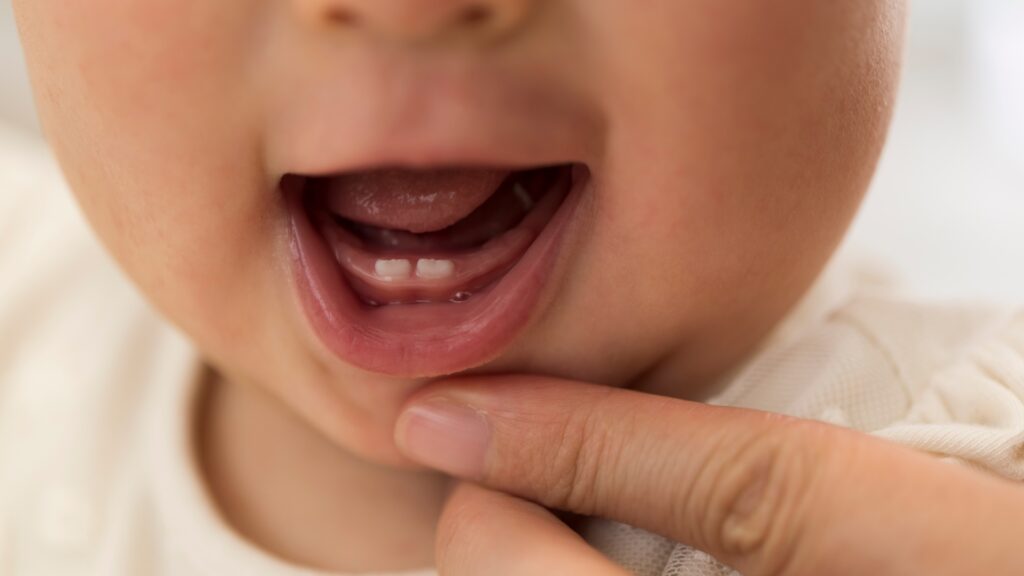
According to the American Academy of Pediatrics (AAP), most babies begin teething between 4 and 7 months of age, though timing varies widely (AAP, 2022). The two lower central incisors usually appear first, followed by the upper front teeth.

By around 3 years old, most children will have a complete set of 20 primary teeth (Cameron et al., 2013).

Carla's Love School | Childcare Services Somerset West

Common Signs of Teething

Every baby experiences teething differently, but some common signs include:

  • Increased drooling

  • Chewing on hands or objects

  • Mild gum swelling or tenderness

  • Irritability or fussiness

  • Disrupted sleep or feeding patterns

  • Rubbing cheeks or ears

Important note:
While teething can cause mild discomfort, it should not cause high fever, diarrhea, or severe illness. Studies show no strong evidence linking teething to systemic symptoms like fever or vomiting (Macknin et al., 2000). If your baby has these symptoms, it’s best to consult a pediatrician.

Carla's Love School | Childcare Services Somerset West

What’s Happening Under the Surface

Teething occurs when developing teeth move through the gums — a process that stimulates local inflammation and pressure (Rodd & Boissonade, 2000). This can make babies irritable and trigger mild physiological changes, such as slight temperature elevation (but not true fever).

This gum pressure is what leads babies to instinctively chew or bite for relief — a completely normal and healthy self-soothing behavior.

Safe & Soothing Remedies

1. Teething Toys & Cold Relief

Chilled (not frozen) teething rings or a clean, cold washcloth can reduce inflammation and numb sore gums (Cameron et al., 2013).

2. Extra Comfort & Feeding

Breastfeeding or bottle-feeding can provide both nourishment and emotional comfort. Some babies feed more frequently during teething for reassurance.

3. Gentle Gum Massage

Using a clean finger to gently rub your baby’s gums can help relieve pressure.

4. Avoid Unsafe Remedies

Health authorities strongly advise against teething gels with benzocaine or lidocaine, as they pose health risks (FDA, 2018). Also avoid amber teething necklaces, which carry a risk of strangulation or choking (AAP, 2022).

5. Keep Drool Under Control

Frequent drooling can cause skin irritation. Keep your baby’s chin dry with soft bibs and apply a gentle, baby-safe barrier cream.

Carla's Love School | Childcare Services Somerset West

Supporting Nutrition During Teething

Teething sometimes affects appetite, but nutrition remains vital for growth and development. Offer soft, cool foods (like yogurt, pureed fruits, or mashed vegetables) if your baby is eating solids. For breastfeeding infants, continue feeding on demand — it provides hydration, antibodies, and comfort.

Research shows that maintaining adequate nutrition during teething supports both immune function and oral development (Palmer, 2014).

Final Thoughts

Teething can be a tough phase for both parents and babies — but it’s also a sign of healthy growth and development. With patience, gentle comfort, and the right soothing strategies, you can help your baby navigate this milestone with ease.

Remember, this stage won’t last forever. Each new tooth brings your little one closer to those heart-melting smiles filled with pearly whites.

References

  1. American Academy of Pediatrics (AAP). (2022). Teething: Tips for Soothing Sore Gums. HealthyChildren.org.
  2. Cameron, A. C., Widmer, R. P., & King, N. M. (2013). Handbook of Pediatric Dentistry (4th ed.). Mosby Elsevier.
  3. Food and Drug Administration (FDA). (2018). FDA Drug Safety Communication: Risk of Serious Injury with Benzocaine Products.
  4. Macknin, M. L., Piedmonte, M., Jacobs, J., & Skibinski, C. (2000). Symptoms associated with infant teething: A prospective study. Pediatrics, 105(4), 747–752.
  5. Palmer, C. (2014). Nutritional considerations for infant oral health. Journal of Human Nutrition and Dietetics, 27(Suppl 2), 17–25.
  6. Rodd, H. D., & Boissonade, F. M. (2000). Innervation of human tooth pulp and gingiva during development, eruption, and exfoliation. Journal of Dental Research, 79(4), 970–976.
Playdates: What Are They Really For? | Carla's Love School

Playdates: What Are They Really For?

Playdates aren’t about perfect behaviour or instant friendships. They’re opportunities for children to practise communication, confidence, empathy and emotional resilience—one interaction at a time.

Read More »
From Bump to Baby: Understanding the Four Trimesters of Pregnancy | Carla's Love School

From Bump To Baby: Understanding the Four Trimesters of Pregnancy

Pregnancy is often described as having three trimesters—but many healthcare professionals now speak about a fourth trimester as well. For new parents, these stages can feel confusing. What exactly happens during each trimester, and why is the postpartum period considered part of the journey?

As a registered nurse and midwife, I often remind families that pregnancy and parenthood are not a single event, but a gradual transition for both mother and baby. Understanding each stage can help parents feel more prepared and supported.

Read More »
When Little Worlds Shift: What Happens to Children When They Move Homes | Carla's Love School

When Little Worlds Shift: What Happens to Children When They Move Homes

Moving homes is often viewed as an exciting new chapter. Adults tend to focus on the practical side of relocation — the paperwork, furniture, timelines, schools, finances, and planning. But for children, especially babies and toddlers, moving can feel far more profound than adults realize. Even when a move is positive and necessary, it can still deeply affect a child’s emotional world.

Read More »
The Magic of Colour: How Sensory Play Supports Your Child’s Brain, Creativity and Development | Carla's Love School

The Magic of Colour: How Sensory Play Supports Your Child’s Brain, Creativity and Development

As parents and caregivers, we often look for meaningful activities that stimulate a child’s development while still feeling like play. One of the simplest yet most powerful tools we have is sensory play with colour. Bright, textured, colourful materials invite children to explore with their hands, eyes and imagination — and the developmental benefits are significant.

Read More »
Carla's Love School | Edible Paint for Babies & Toddlers

Edible Paint for Babies & Toddlers

Looking for a safe, sensory-rich activity for your little one? Try edible yogurt paint — simply mix plain, unsweetened yogurt with a few drops of food colouring and let the creative fun begin!

Read More »