Nutrition for Sick Toddlers: Supporting Immunity, Energy, and Recovery
When toddlers become ill, many parents struggle with feeding. Appetite may decrease, favourite foods may be rejected, and it can feel difficult to know what to offer. Yet nutrition plays a vital role in recovery—providing energy, supporting immune function, and helping the body repair itself. This guide explains which foods help, why they matter, and how to include them when your child’s appetite is low.
Why Nutrition Matters More When Your Child Is Sick
Illness increases the body’s energy and nutrient needs, even when appetite falls. Without adequate nutrition, children may not have enough energy to stay active or enough nutrients to sustain healthy immune function and tissue repair.
Important goals when feeding a sick toddler include:
- Maintaining energy levels
- Supporting immune defence
- Preventing dehydration
- Minimizing discomfort during eating
Avoid Added Sugar During Illness
Added sugar, such as that found in sweets, soft drinks, and desserts, may temporarily impair immune cell function. High intake of simple sugars has been associated with reduced effectiveness of white blood cells when responding to infection.
For this reason:
- Avoid adding sugar to meals and drinks
- Choose products without added sugars
- Focus on nutrient-dense options instead
Limiting added sugars supports immune health and helps reduce the risk of tooth decay.
Probiotics and Gut Health: A Key to Immunity
The digestive system plays an important role in immune function. A large portion of the immune system resides in the gut, where immune cells interact with beneficial bacteria and other microbes.
Probiotics are beneficial bacteria that help maintain a healthy balance in the digestive system. Foods that support gut health include:
- Live or active yogurt
- Kefir
- Very ripe bananas (which contain prebiotic fibres that nourish beneficial bacteria)
Regularly including these foods may help support digestive balance and contribute to a healthy immune response.
Antioxidants: Protecting Cells and Supporting Immunity
Antioxidants are nutrients that help protect the body’s cells from damage caused by free radicals. Free radicals are unstable molecules that can form during normal metabolism, illness, and inflammation. When these molecules accumulate, they may contribute to cell damage and weakened immune responses.
Important antioxidant nutrients include:
- Vitamins A, C, and E
- Beta-carotene
- Minerals such as selenium and zinc
These nutrients are commonly found in brightly coloured fruits and vegetables and in other whole foods.
Good sources include:
- Vegetables: carrots, sweet potatoes, broccoli, peppers, squash, tomatoes
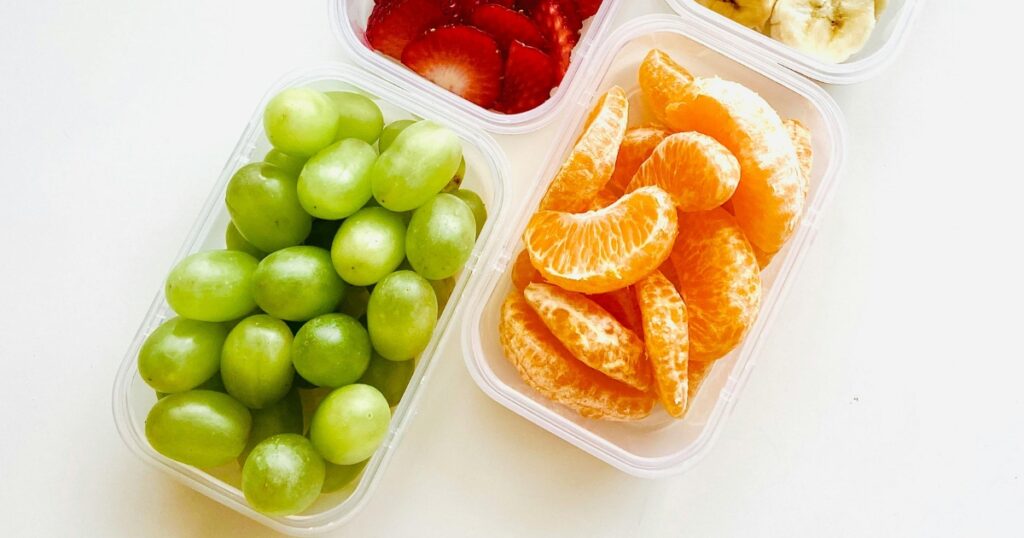
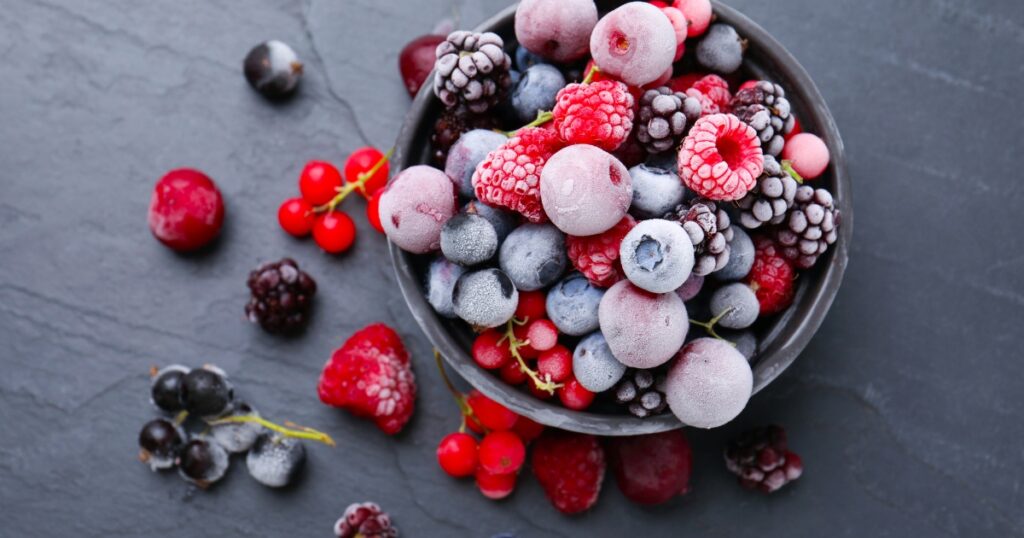
- Fruits: berries, melon, citrus fruits, kiwi, apricots, peaches
- Other foods: nuts, seeds, whole grains, soy products, eggs, fish, and shellfish
Offering a wide variety of colourful foods helps ensure toddlers receive a broad range of antioxidants that support immune health and overall nutrition.
Essential Fatty Acids: Building Blocks for a Healthy Immune System
Certain fats are known as essential fatty acids because the body cannot produce them on its own. These fats play an important role in regulating inflammation, maintaining cell structure, and supporting immune responses.
Good dietary sources include:
- Oily fish such as salmon or sardines
- Nuts and seeds, particularly flaxseed, chia seeds, and walnuts
Including these foods regularly also supports brain development and overall wellbeing.
Zinc and Immune Defence
Zinc is an important mineral involved in immune cell function, wound healing, and many enzyme processes in the body. Adequate zinc intake has been associated with stronger immune responses and may help reduce the severity of some infections.
Foods rich in zinc include:
- Whole grains
- Seafood
- Eggs
- Meat and poultry
Including a variety of these foods in your toddler’s diet can help support their immune system.
Protein: Essential for Growth and Immune Function
Protein is a fundamental building block for the body. It is necessary for growth, tissue repair, and the production of immune cells such as antibodies and white blood cells.
If toddlers do not receive enough protein, their bodies may struggle to produce the immune cells needed to fight infection effectively.
Healthy protein sources for toddlers include:
- Lean meats
- Eggs
- Dairy products
- Legumes such as beans and lentils
- Soy products
Offering small portions of protein throughout the day can help ensure a steady supply of nutrients for recovery.
Practical Feeding Tips When Appetite Is Low
When toddlers are sick, it is often more effective to offer small, frequent meals rather than expecting them to finish large portions. Focus on foods that are gentle, nourishing, and easy to eat.
Some helpful ideas include:
- Warm broths or soups with vegetables and protein
- Smoothies made with yogurt, fruit, and leafy greens
- Soft cooked fruits and vegetables
- Whole grain toast or crackers with nut butter
- Plenty of fluids such as water or diluted fruit juice
Try to keep mealtimes calm and pressure-free. Gentle encouragement and familiar foods often work best.
In Summary
Feeding a sick toddler can feel challenging, but focusing on nourishing foods can make a meaningful difference in recovery.
Prioritize:
- Whole foods rich in natural nutrients
- Limited added sugars
- Foods that support gut health
- Antioxidant-rich fruits and vegetables
- Adequate protein and healthy fats
Consistent, balanced nutrition supports the immune system, helps maintain energy levels, and encourages healthy growth—both during illness and throughout childhood.