As parents, it’s easy to picture playdates as children laughing together, sharing toys effortlessly, and becoming instant best friends. Then reality arrives: one child plays alone, another grabs a toy, someone cries, and before long you’re wondering if the playdate was a disaster.
The truth is, a successful playdate doesn’t have to look perfect.
From a developmental perspective, playdates are not about flawless behaviour or instant friendships. They are opportunities for children to practise the social and emotional skills they will continue developing for many years.
Why Playdates Matter
Playdates provide children with valuable experiences that simply cannot be replicated through adult interaction alone.
They help children develop:
- Social skills such as communication, turn-taking and cooperation.
- Emotional regulation as they learn to manage frustration, excitement and disappointment.
- Confidence by exploring new environments and interacting with unfamiliar children.
- Learning through observation by watching how other children solve problems, play with toys and communicate.
Every interaction, even a brief one, contributes to a child’s understanding of relationships and the world around them.
Understanding what is developmentally appropriate helps parents set realistic expectations.
Babies (0–18 months)
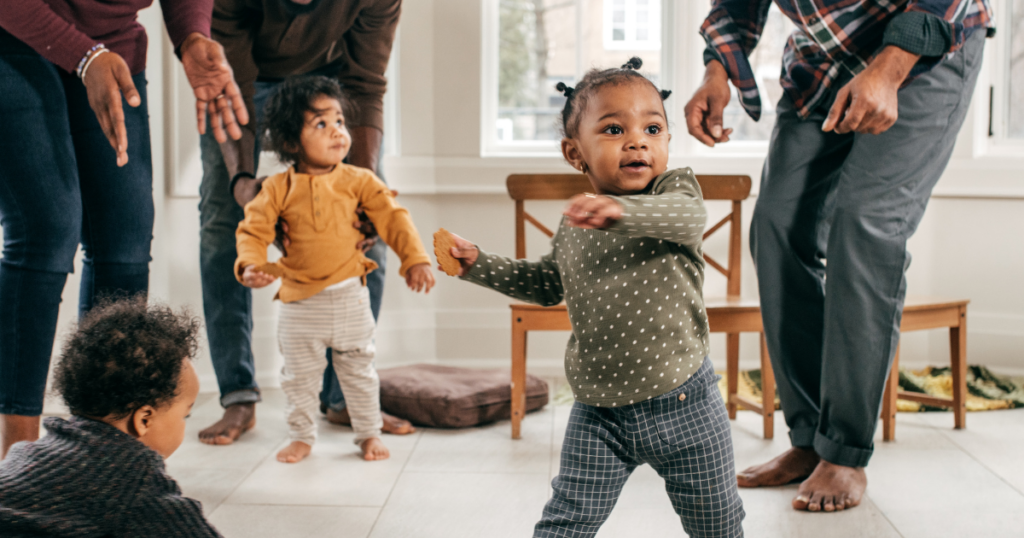
For babies, a playdate is largely about observing and exploring.
They may:
- Watch other babies with curiosity.
- Explore toys independently.
- Babble, crawl or move alongside another child.
- Occasionally reach for the same toy.
This is entirely normal. Babies are learning by watching and experiencing their environment.
Toddlers (18 months–3 years)
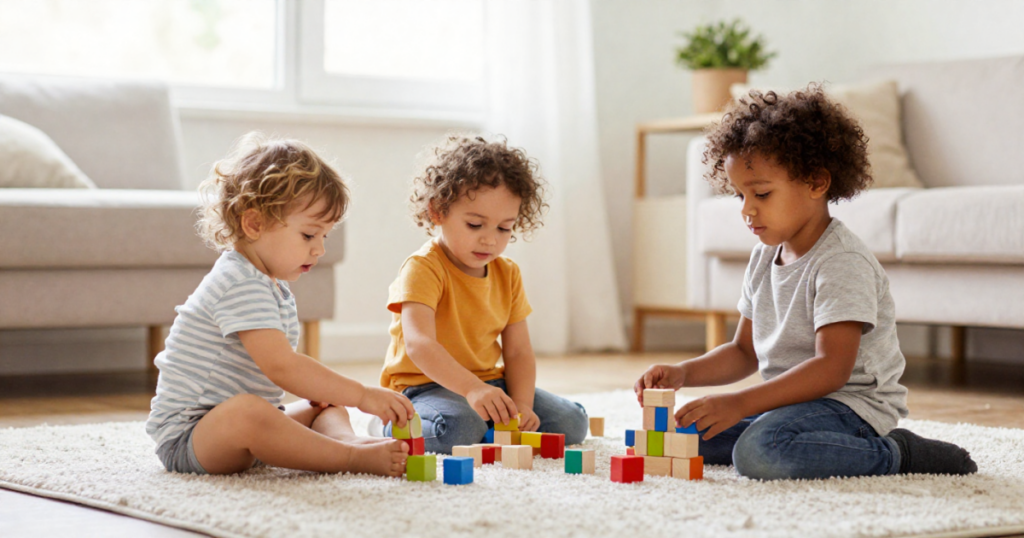
Toddlers often engage in parallel play, where they play beside one another rather than together.
Parents may notice:
- Limited sharing.
- Brief interactions.
- Toy disputes.
- Big emotions.
Although it may not look very social, toddlers are learning important skills simply by being around their peers.
Preschoolers (3–5 years)
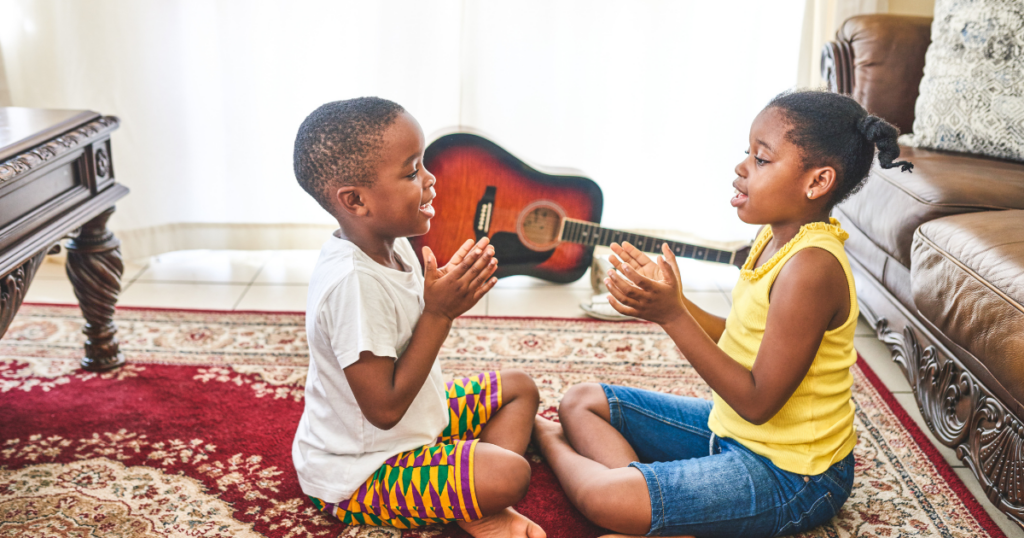
As children mature, they begin to enjoy more cooperative play.
You may see:
- Pretend play.
- Shared games.
- Problem-solving together.
- The beginnings of genuine friendships.
Even so, preschoolers still benefit from adult guidance when conflicts arise.
What Parents Should Expect
One of the biggest misconceptions about playdates is that children should immediately play happily together.
In reality:
- Not all children interact straight away.
- Some children observe before joining in.
- Sharing develops gradually—it is not an instant skill.
- Disagreements are a normal part of learning.
A disagreement over a toy is not a failed playdate. It is an opportunity for children to practise communication, patience and emotional regulation.
Parents play an important supporting role without needing to direct every moment.
Stay nearby
Be available to support children while allowing them enough space to explore independently.
Coach gently
Instead of solving every problem, help children find solutions by modelling respectful language and calm behaviour.
Allow problem-solving
Where appropriate, give children a chance to work through small challenges before stepping in.
Keep expectations realistic
Social skills develop over many years. Progress is gradual, and every playdate provides valuable practice.
Don’t force sharing
Rather than insisting a child immediately hand over a toy, acknowledge ownership and introduce the idea of taking turns.
For example:
“You’re still using that toy. When you’re finished, your friend can have a turn.”
Don’t over-direct play
Children learn best through child-led exploration. Resist the temptation to organise every activity or solve every disagreement.
Don’t compare children
Every child develops social confidence at their own pace. Comparing children can create unnecessary pressure for both parent and child.
Don’t expect perfect behaviour
Young children are still learning self-control, empathy and communication. Mistakes are part of healthy development.
Playdate Etiquette
A few simple habits help create enjoyable experiences for everyone involved.
- Arrive on time and communicate if you’re running late.
- Bring a water bottle and any essentials your child may need.
- Respect the host’s home, routines and boundaries.
- Ask before offering another child food or treats, as allergies and family preferences may differ.
- Encourage your child to help tidy up before leaving.
- If your child becomes overwhelmed or overtired, it’s perfectly acceptable to end the playdate early.
- Remember that every family parents differently. Offer support rather than judgement.
- Clean up after yourselves. Encourage your child to help pack away the toys they played with before leaving. This simple habit shows respect for your host and teaches responsibility, gratitude, and consideration for others.
Good playdate etiquette models respect, kindness and consideration—qualities children learn by watching the adults around them.
A successful playdate is not measured by whether everyone shared perfectly or played together the entire time.
Instead, look for signs such as:
- Curiosity about other children.
- Attempts at communication.
- Watching and learning from peers.
- Practising turn-taking.
- Exploring a new environment with confidence.
- Experiencing and recovering from small social challenges.
These moments build the foundation for future friendships and healthy relationships.
Carla’s Love School Takeaway
The goal of a playdate isn’t perfect behaviour or instant friendship. The goal is practice.
Every playdate gives children the opportunity to develop communication, confidence, empathy, emotional resilience and problem-solving skills. Even when there are tears, disagreements or moments of independent play, meaningful learning is taking place.
So the next time a playdate doesn’t look picture-perfect, remember: your child is doing one of the most important jobs of childhood—learning how to be with other people.
If you have questions about your child’s social, emotional or developmental milestones, I’d be honoured to support you. At Carla’s Love School, every consultation is tailored to your child’s unique stage of development, helping you nurture confidence through gentle, evidence-informed guidance.