Why Toddlers Bite: When It Starts, Why It Happens, and How to Respond
By Carla Horn – Registered Nurse, Midwife, and Founder of Carla’s Love School.
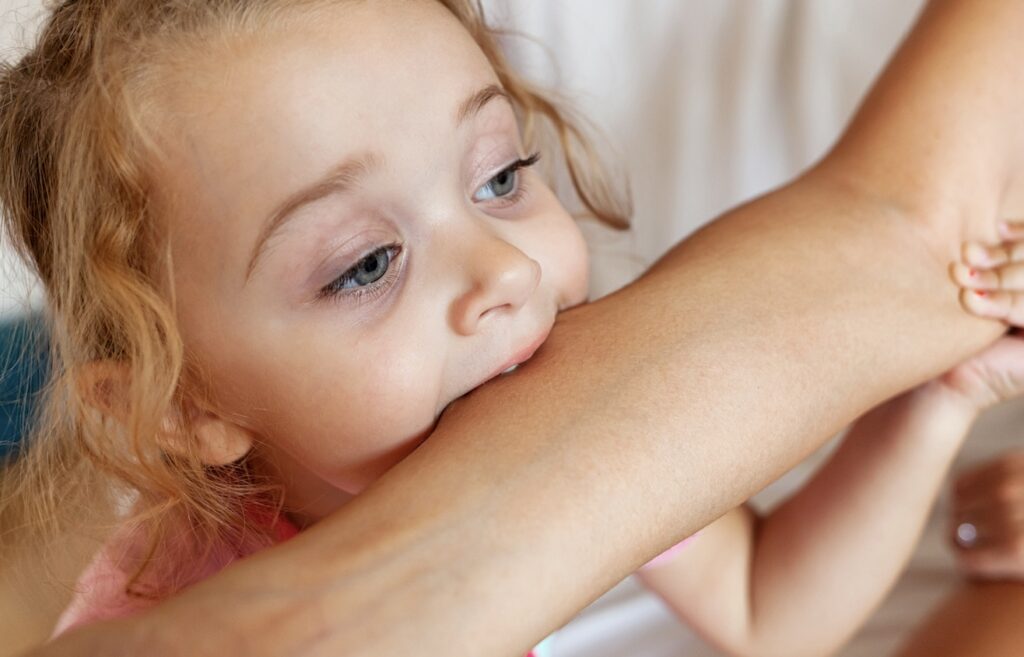
Biting is one of the most distressing behaviours for parents and caregivers. It can feel shocking, embarrassing, and at times even alarming, especially when it happens suddenly or repeatedly.
Parents often ask, “Why is my child doing this?” or “Have I done something wrong?”
The truth is, biting is a common developmental behaviour, particularly in infants and toddlers. While it can be challenging to manage, it is usually a phase that can be guided with calm, consistent, and informed responses.
Understanding why biting happens is the first step toward responding effectively.
When Does Biting Typically Start?
Biting can begin as early as infancy, particularly during the teething stage, but it becomes more noticeable between the ages of approximately 12 months and 3 years.
During this period, children are developing rapidly across emotional, social, and language domains. However, their ability to communicate needs, regulate emotions, and manage impulses is still immature.
Biting often emerges during this stage as a form of expression, not as intentional aggression.
Why Do Toddlers Bite?
Biting is rarely about “bad behaviour.” It is usually a response to an unmet need or an underdeveloped skill.
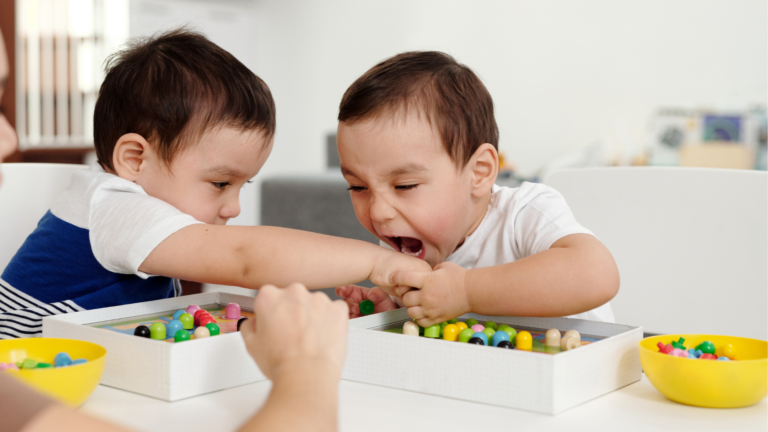
In many cases, toddlers bite because they are overwhelmed by emotions they cannot yet express in words. Frustration, excitement, anger, or even affection can all lead to biting when language and emotional regulation are still developing.
Teething can also play a role, as biting provides relief from gum discomfort. In other situations, toddlers may bite out of curiosity, exploring cause and effect, or because they are seeking sensory input.
Social situations can increase the likelihood of biting. When a child feels crowded, overstimulated, or unable to access a toy or caregiver, biting may occur as a quick and effective way to communicate or regain control.
It is important to understand that biting is not a sign that a child is “naughty,” but rather that they are still learning how to navigate their world.
How to Respond When Your Child Bites
The way adults respond to biting plays a crucial role in how quickly the behaviour resolves.
When a child bites, the most effective response is calm, immediate, and clear. Reacting with anger, shouting, or panic can be overwhelming for the child and may unintentionally reinforce the behaviour by increasing attention and emotional intensity.
Instead, it is important to communicate a simple and consistent message. Let your child know that biting hurts and is not allowed, using a calm but firm tone. At the same time, attention should be given to the child who has been bitten, modelling empathy and care.
Over time, this helps the child begin to understand both boundaries and the impact of their actions on others.
Supporting Your Child to Learn Alternative Behaviours
Since biting often reflects a lack of communication or regulation skills, it is essential to teach alternative ways of expressing needs.
This may include helping your child develop simple language for emotions, such as “help,” “mine,” or “all done.” For younger toddlers, gestures and modelling can be just as effective.
Creating opportunities for connection, reducing overstimulation, and maintaining predictable routines can also lower the likelihood of biting. When children feel secure and understood, the need to use physical behaviours often decreases.
For children who bite due to sensory needs or teething discomfort, offering appropriate items to bite, such as teething toys, can be helpful.
What Not to Do
Certain responses can unintentionally make biting more frequent or more intense.
Punitive approaches, such as smacking, biting the child back, or harsh scolding, do not teach the child what to do instead. In fact, these responses can increase fear, confusion, or even imitation of the behaviour.
Lengthy explanations are also ineffective in the moment, as toddlers do not yet have the capacity to process complex language when emotionally overwhelmed.
Ignoring the behaviour entirely is not advisable either, as it fails to set a clear boundary.
The goal is to provide a response that is calm, consistent, and instructive, rather than reactive or punitive.
When Should You Seek Professional Support?
While biting is common, there are times when additional support may be helpful.
If biting is frequent, intense, or continues beyond the toddler years, it may indicate that a child is struggling with communication, sensory processing, or emotional regulation.
If a child appears unable to stop biting despite consistent guidance, or if the behaviour is causing significant distress in social settings such as daycare, it can be beneficial to seek support from a professional.
A qualified healthcare provider, child development specialist, or early childhood professional can help identify underlying factors and provide tailored strategies to support both the child and the family.
A Gentle Word for Parents
If your child is going through a biting phase, it is completely understandable to feel concerned or even overwhelmed.
It is important to remember that this behaviour is not a reflection of your parenting. It is a reflection of your child’s stage of development.
With time, guidance, and consistent support, children learn more appropriate ways to express themselves. Biting is a phase, not a permanent behaviour.
You are not alone in navigating this, and with the right approach, this stage will pass.
Work With Me: Individualised Support for Your Child
If your child is struggling with biting or other challenging behaviours, you do not have to figure it out on your own.
Through Carla’s Love School, I offer individualised consultations where we explore your child’s development, environment, and emotional needs. Together, we create practical, compassionate strategies that support your child’s growth while bringing more calm and confidence into your parenting.
Every child is unique, and sometimes a personalised approach makes all the difference.
You are warmly invited to reach out if you would like guidance tailored specifically to your child and your family.