The Magic of Toy Rotation: Boosting Play & Development

The Magic of Toy Rotation: Boosting Play & Development

What exactly is Toy Rotation?

Toy rotation is the practice of making only a select number of toys available to children at one time, while storing the rest. Periodically, the available toys are swapped out for those in storage. This simple practice offers numerous benefits for children’s development and engagement.

The Big Myth to Bust: "More Toys = Smarter Kids"

Many parents believe that providing a multitude of toys will enhance their child’s development, but often, the opposite is true.

  • Too many toys can overstimulate children, making it harder for them to focus and engage deeply with any single item. And in fact, fewer toys lead to increased engagement and focus. When children have fewer toys available, they tend to play longer and more deeply with the ones they have (Maimaran, 2017). This can foster creativity and problem-solving as they explore different ways to interact with each toy. Teachers have observed that rotating play materials stimulates better play and creates excitement when new (or previously stored) items are introduced (Nilsen, 2021).
    • Overchoice of toys reduces focus, creativity, and independent play. When faced with an overwhelming number of options, children might flit from toy to toy without fully exploring the potential of each one (Maimaran, 2017).
  • Children often play better with fewer, carefully selected options, allowing for more imaginative and sustained engagement (Nilsen, 2021). Fewer toys lead to enhanced creativity and imagination: By limiting the number of toys, children are encouraged to use their imagination more, transforming simple items into various objects during play.
  • Other benefits of toy rotation include: The promotion of Deeper Learning: A stimulating home environment with varied experiences and appropriate learning materials, such as toys, is linked to positive outcomes in child development, including language skills (Orri et al., 2019). Toy rotation helps maintain this varied and stimulating environment.
  • The reduction of Clutter and Overwhelm: A cluttered play space with too many options can be overwhelming for children and may even hinder their ability to choose and focus on a single activity (Maimaran, 2017)
  • The Appreciation and Care for Toys: When toys are rotated, children may develop a greater appreciation for the items they have, potentially leading to better care for their belongings (Frödén and Rosell, 2019).
The Magic of Toy Rotation: Boosting Play & Development

How Often to Rotate Toys?

There’s no strict rule, as the ideal frequency can depend on the child’s age and individual preferences. However, some insights suggest:

  • When interest wanes: Teachers often rotate toys when children “get tired of the play materials and get ’blind’ on their possibilities for play” (Nilsen, 2021). Observe your child’s engagement; if they seem bored with their current selection, it might be time for a swap.
  • Weekly or bi-weekly cycles: One practical strategy mentioned for classrooms is to rotate “one third of the items across categories each week, providing a balance of familiar and novel items” (Mason et al., 1989). For a home setting, this could translate to rotating a portion of toys weekly or every couple of weeks.
  • Consider novelty: Children, especially older ones, are often drawn to novelty (Kurdi, 2017). Introducing “new” (rotated) toys can spark renewed interest.

How Many Toys Do Kids Actually Need?

  • This is a common question for parents. The key is to think about what is visible and accessible at one time, rather than the total number of toys owned.
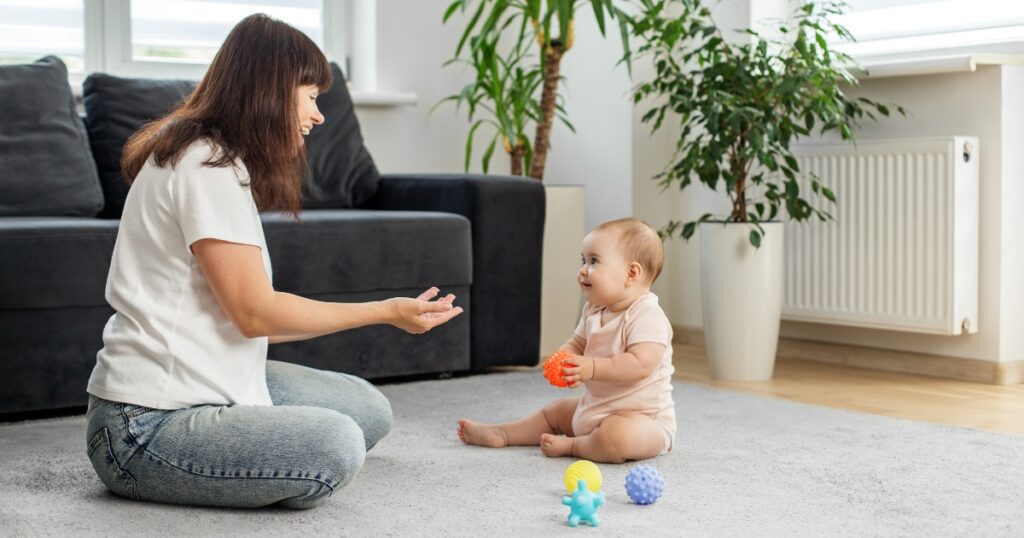
    • Babies (0–12 months): ~5–8 toys available
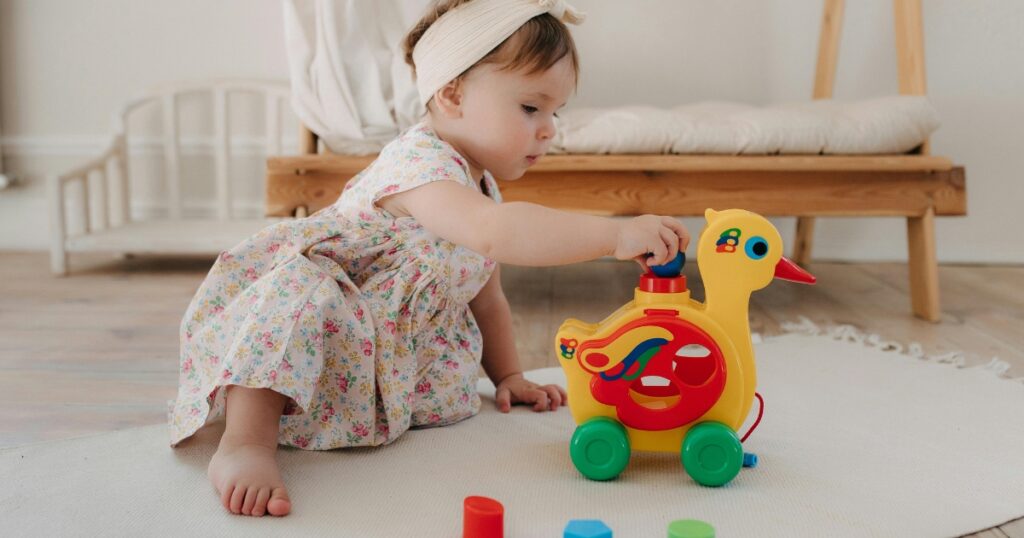
    • Toddlers (1–3 years): ~8–12 toys available
    • Preschoolers (3–5 years): ~10–15 toys available
  • Remember, it’s about what’s present in their play space, not how many toys are tucked away in storage. This immediately relieves pressure on parents.

Why Toy Rotation Works: The Science & Intuition

  • Toy rotation is a powerful strategy that offers numerous developmental benefits:
    • Improves attention span: With fewer distractions, children can concentrate longer on the toys they have (Maimaran, 2017).
    • Encourages deeper play: Limited options promote creative problem-solving and imaginative use of each toy (Nilsen, 2021).
    • Reduces overwhelm and clutter: A simpler play environment helps children feel calmer and more in control.
    • Makes “old toys” feel new again: Rotating toys creates excitement and renewed interest when previously stored items are reintroduced (Nilsen, 2021).
    • Supports self-directed learning: Children learn to initiate and direct their own play, fostering independence.
    • Lightly referencing brain development and executive function, toy rotation helps children practice decision-making, planning, and sustained attention, which are crucial for cognitive growth (Orri et al., 2019).
The Magic of Toy Rotation: Boosting Play & Development

How Often Should Toys Be Rotated?

There’s no one-size-fits-all schedule, but here’s some guidance:

  • Every 1–2 weeks for babies (due to rapid developmental changes and shorter attention spans).
  • Every 2–4 weeks for toddlers & preschoolers (as their interests can be sustained for longer periods).
  • Rotate sooner if:
    • Play feels chaotic and toys are being dumped rather than used purposefully.
    • The child seems bored, disengaged, or dysregulated with the current selection.

Tips for Effective Toy Rotation

  • Sort by category: Organize toys into categories (e.g., blocks, puzzles, pretend play, art supplies). This makes it easier to select a balanced variety for each rotation.
  • Ensure age-appropriateness: Children’s engagement with toys is influenced by whether the toys are appropriate for their age and developmental stage
The Magic of Toy Rotation: Boosting Play & Development

What Kinds of Toys Matter More than Quantity

Emphasize a balanced toy mix that supports various developmental domains. One toy can support multiple skills when used creatively.

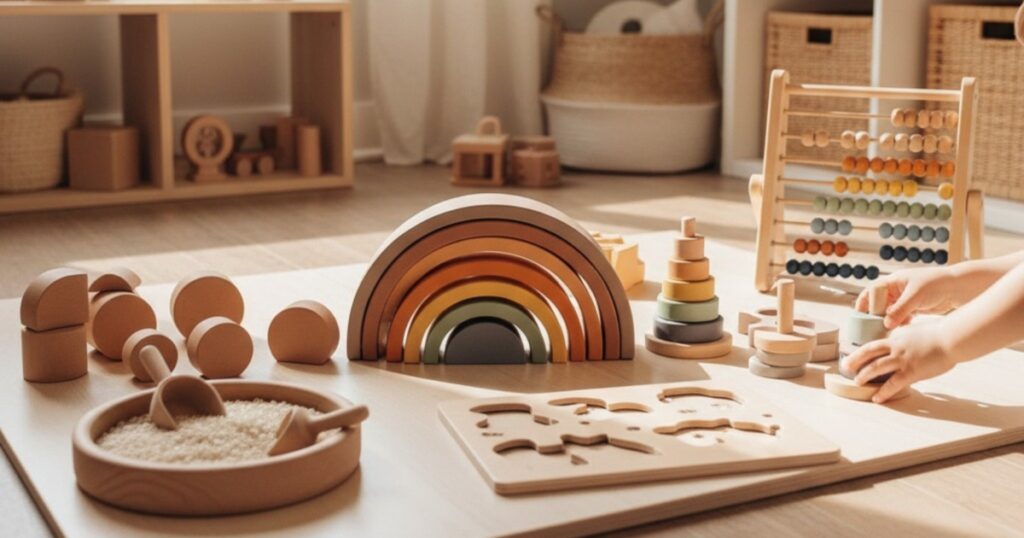
  • Open-ended toys: Blocks, dolls, cars, animal figures – these allow for imaginative play without a prescribed outcome.
  • Sensory toys: Items that engage touch, sound, and sight, promoting exploration.
  • Fine-motor toys: Puzzles, shape sorters, threading beads – developing hand-eye coordination and dexterity.
  • Gross-motor / movement toys: Push toys, ride-on toys, balls – encouraging physical activity.
  • Pretend play items: Costumes, kitchen sets, doctor kits – fostering social skills and creativity.
  • Books: Always accessible, encouraging early literacy and a love for reading.
  •  

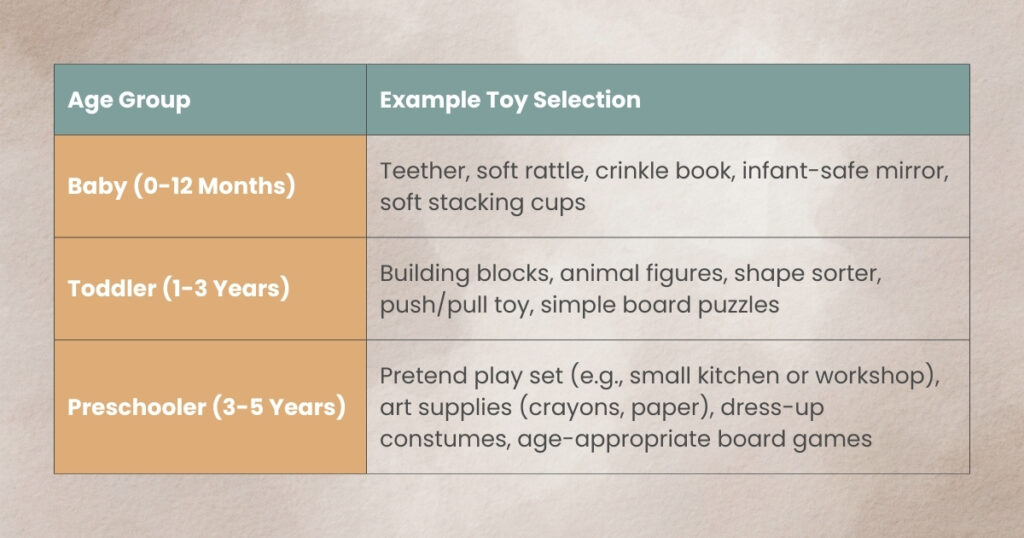
Age-Appropriate Rotation Examples

The Magic of Toy Rotation: Boosting Play & Development

Signs Your Child Has Too Many Toys

These relatable signs can help parents identify if toy rotation would be beneficial:

  • Constant toy dumping or scattering without sustained play.
  • Short play cycles, quickly moving from one toy to the next.
  • Difficulty choosing a toy or initiating play independently.
  • Increased frustration, restlessness, or dysregulation in the play space.
  • Asking for new toys, but not engaging with the ones they already have.
    • Normalize these behaviors by explaining it’s not “bad behavior” from the child, but often a response to an overstimulating environment.
  •  

Toys May Play a Role in Emotional & Nervous System Regulation

  • A calmer, less cluttered environment supports emotional regulation in children. When there’s less sensory input, children can better process their feelings and experiences.
  • Predictable and organized spaces feel safer to young nervous systems. Knowing where things are and having clear choices reduces anxiety.
  • Fewer toys often lead to more presence and connection, both between the child and their play, and between the child and their caregivers, rather than deprivation.

Gentle Reminder: Toy's Don't Replace Connection

  • Toys are tools, not teachers; they facilitate learning but don’t replace human interaction.
  • Children need connection, secure attachment, and responsive relationships far more than constant entertainment from toys.
  • Embrace boredom, as it can be a powerful catalyst for creativity and independent thought. 
  • Always ensure the selected toys match your child’s current abilities and interests.
  • Balance familiar and new: Include a mix of well-loved items and “new” (rotated) toys to provide both comfort and fresh stimulation (Mason et al., 1989).
  • Keep it simple: Don’t overcomplicate the process. A simple system that works for your family is best. Store the out-of-rotation toys in an accessible yet out-of-sight location.
  • Involve your child (optional, for older kids): For older children, you might involve them in the rotation process, letting them choose a few items to put away and a few to bring out.

References

  1. Al Kurdi, B. (2017). Investigating the factors influencing parent toy purchase decisions: Reasoning and consequences. International Business Research, 10(4), 104–113. https://doi.org/10.5539/ibr.v10n4p104

    Frödén, S., & Rosell, A.-L. (2019). Opening an imaginative space? A study of toys and toy play in a Swedish Waldorf preschool. Nordisk tidsskrift for pedagogikk og kritikk, Special Issue: “Steinerpedagogikk,” 5, 186–201. http://dx.doi.org/10.23865/ntpk.v5.1383

    Maimaran, M., & Salant, Y. (2019). The effect of limited availability on children’s consumption, engagement, and choice behavior. Judgment and Decision Making, 14(1), 72–79.

    Morrow, L. M. (1990). Preparing the classroom environment to promote literacy during play. Early Childhood Research Quarterly, 5(4), 537–554. https://doi.org/10.1016/0885-2006(90)90018-V

    Nilsen, E. S., & Valcke, A. (2018). Children’s sharing with collaborators versus competitors: The impact of theory of mind and executive functioning. Journal of Applied Developmental Psychology, 58, 38–48. https://doi.org/10.1016/j.appdev.2018.08.001

    Orri, M., Côté, S. M., Tremblay, R. E., & Doyle, O. (2019). Impact of an early childhood intervention on the home environment, and subsequent effects on child cognitive and emotional development: A secondary analysis. PLOS ONE, 14(7), e0219133. https://doi.org/10.1371/journal.pone.0219133

Playdates: What Are They Really For? | Carla's Love School

Playdates: What Are They Really For?

Playdates aren’t about perfect behaviour or instant friendships. They’re opportunities for children to practise communication, confidence, empathy and emotional resilience—one interaction at a time.

Read More »
From Bump to Baby: Understanding the Four Trimesters of Pregnancy | Carla's Love School

From Bump To Baby: Understanding the Four Trimesters of Pregnancy

Pregnancy is often described as having three trimesters—but many healthcare professionals now speak about a fourth trimester as well. For new parents, these stages can feel confusing. What exactly happens during each trimester, and why is the postpartum period considered part of the journey?

As a registered nurse and midwife, I often remind families that pregnancy and parenthood are not a single event, but a gradual transition for both mother and baby. Understanding each stage can help parents feel more prepared and supported.

Read More »
When Little Worlds Shift: What Happens to Children When They Move Homes | Carla's Love School

When Little Worlds Shift: What Happens to Children When They Move Homes

Moving homes is often viewed as an exciting new chapter. Adults tend to focus on the practical side of relocation — the paperwork, furniture, timelines, schools, finances, and planning. But for children, especially babies and toddlers, moving can feel far more profound than adults realize. Even when a move is positive and necessary, it can still deeply affect a child’s emotional world.

Read More »
The Magic of Colour: How Sensory Play Supports Your Child’s Brain, Creativity and Development | Carla's Love School

The Magic of Colour: How Sensory Play Supports Your Child’s Brain, Creativity and Development

As parents and caregivers, we often look for meaningful activities that stimulate a child’s development while still feeling like play. One of the simplest yet most powerful tools we have is sensory play with colour. Bright, textured, colourful materials invite children to explore with their hands, eyes and imagination — and the developmental benefits are significant.

Read More »
Carla's Love School | Edible Paint for Babies & Toddlers

Edible Paint for Babies & Toddlers

Looking for a safe, sensory-rich activity for your little one? Try edible yogurt paint — simply mix plain, unsweetened yogurt with a few drops of food colouring and let the creative fun begin!

Read More »