Playdates: What Are They Really For?
Playdates aren’t about perfect behaviour or instant friendships. They’re opportunities for children to practise communication, confidence, empathy and emotional resilience—one interaction at a time.

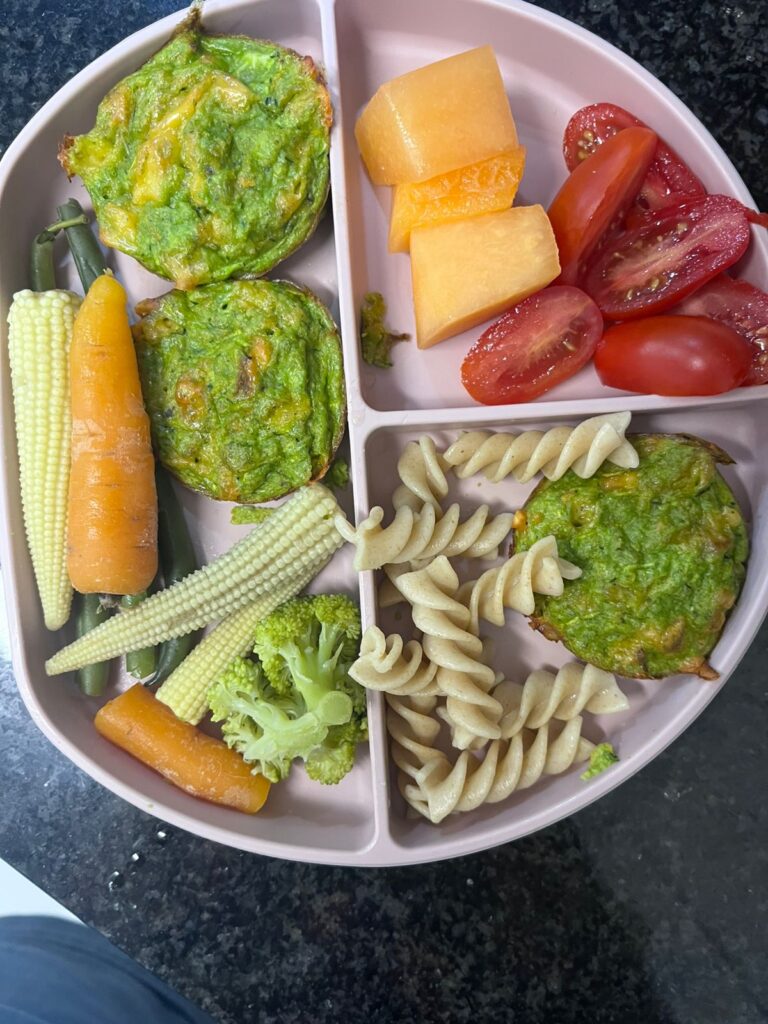
Finding nutritious foods that children genuinely enjoy can sometimes feel challenging. These Cheesy Hulk Muffins were created to provide a balanced, wholesome option that combines essential nutrients with a familiar, comforting flavour and texture. Packed with whole grains, vegetables, healthy fats, and protein, these muffins support growth, energy, and development — while remaining simple to prepare.
Their soft texture makes them suitable for toddlers and young children, and they are also ideal for lunchboxes, snacks, or quick meals.
Early childhood nutrition plays a critical role in brain development, immune function, and physical growth. Offering foods that combine carbohydrates, healthy fats, protein, and micronutrients helps support stable energy levels and optimal development (World Health Organization, 2023).
These muffins provide:
Complex carbohydrates for sustained energy
Protein for growth and tissue repair
Healthy fats for brain development
Fibre for digestive health
Vitamins and minerals from vegetables
The inclusion of vegetables in a familiar format can also help children become more accepting of new flavours and textures over time.
1 cup whole wheat flour
Whole wheat flour provides complex carbohydrates and dietary fibre, which support digestive health and sustained energy release. Fibre intake in early childhood supports gut health and helps regulate appetite.
1 teaspoon baking powder
Acts as a leavening agent, helping the muffins rise and develop a light texture.
1/2 teaspoon baking soda
Supports leavening and contributes to the soft, airy structure of the muffins.
1/4 teaspoon salt
Enhances flavour. When used in small amounts, salt improves palatability without exceeding recommended intake levels.
1/2 cup grated cheese (cheddar or mozzarella)
Cheese provides protein, calcium, and healthy fats. Calcium is essential for bone and tooth development, particularly during periods of rapid growth (National Institutes of Health, 2022).
1 cup mixed vegetables (such as spinach, bell peppers, and carrots)
Vegetables provide essential micronutrients, including vitamin A, vitamin C, iron, and antioxidants. Spinach contributes iron and folate, carrots provide beta-carotene, and bell peppers offer vitamin C, which supports immune function.
1/2 cup milk (dairy or plant-based)
Milk adds moisture and contributes protein, calcium, and vitamin D (when fortified), all of which support skeletal development.
1/4 cup olive oil
Olive oil provides monounsaturated fats, which are beneficial for cardiovascular health and support brain development. Healthy fats are particularly important during infancy and early childhood (Koletzko et al., 2008).
1 large egg (or flax egg for a vegan option)
Eggs provide high-quality protein, choline, and essential nutrients that support brain development and nervous system function.
Step 1: Preheat the oven
Preheat your oven to 180°C. Prepare a muffin tray by lightly greasing it or using silicone moulds.
Step 2: Combine dry ingredients
In a mixing bowl, combine:
Mix gently to distribute evenly.
Step 3: Add wet ingredients
Add the milk, olive oil, and egg. Stir until the mixture forms a smooth batter.
Step 4: Fold in cheese and vegetables
Gently fold in the grated cheese and finely chopped vegetables. Ensure the vegetables are cut into small pieces for safe and even distribution.
Step 5: Fill the muffin tray
Spoon the mixture into the muffin tray, filling each mould about three-quarters full.
Step 6: Bake
Bake for 15–20 minutes, or until the muffins are lightly golden and firm to the touch.
Step 7: Cool before serving
Allow the muffins to cool before serving, especially for younger children.
These muffins offer several developmental advantages:
Soft texture supports developing chewing skills
Nutrient density supports rapid growth
Balanced macronutrients promote stable energy levels
Vegetable exposure encourages healthy food acceptance
Repeated exposure to vegetables in familiar forms has been shown to improve acceptance and preference over time (Birch & Anzman-Frasca, 2011).
These muffins are generally suitable for:
Babies from approximately 9–10 months (cut into small pieces)
Toddlers
Preschool-aged children
Older children and adults
Always ensure texture and portion size are appropriate for your child’s developmental stage.
These muffins store well and can be prepared in advance.
Refrigerator:
Store in an airtight container for up to 3 days.
Freezer:
Freeze for up to 3 months. Defrost and warm before serving.
Lunchbox option:
These muffins are ideal for school lunches, providing balanced nutrition and sustained energy.
You may adapt the recipe based on preference or availability:
Add grated zucchini for extra moisture and nutrients
Use sweet potato or butternut for added vitamin A
Substitute dairy-free cheese if required
Use a flax egg for a plant-based version
Offering balanced, nutrient-dense foods during early childhood helps establish lifelong eating patterns. Early exposure to vegetables, whole grains, and healthy fats supports growth, cognitive development, and long-term health outcomes (World Health Organization, 2023).
Simple recipes like these Cheesy Hulk Muffins help make nutritious eating practical, accessible, and enjoyable for the entire family.
These Cheesy Hulk Muffins combine simplicity, nutrition, and flavour into a versatile recipe suitable for busy families. They provide essential nutrients in a form children enjoy, while supporting healthy growth and development.
They are an excellent addition to your child’s weekly meal rotation — nourishing, practical, and created with care.

Playdates aren’t about perfect behaviour or instant friendships. They’re opportunities for children to practise communication, confidence, empathy and emotional resilience—one interaction at a time.

Pregnancy is often described as having three trimesters—but many healthcare professionals now speak about a fourth trimester as well. For new parents, these stages can feel confusing. What exactly happens during each trimester, and why is the postpartum period considered part of the journey?
As a registered nurse and midwife, I often remind families that pregnancy and parenthood are not a single event, but a gradual transition for both mother and baby. Understanding each stage can help parents feel more prepared and supported.

Moving homes is often viewed as an exciting new chapter. Adults tend to focus on the practical side of relocation — the paperwork, furniture, timelines, schools, finances, and planning. But for children, especially babies and toddlers, moving can feel far more profound than adults realize. Even when a move is positive and necessary, it can still deeply affect a child’s emotional world.

Toddler tantrums are one of the most commonly misunderstood aspects of early childhood. To manage them effectively, it is essential to understand what they are, why they occur, and what they signal about a child’s developing brain.

The early months after welcoming a baby are deeply meaningful—but they can also be physically exhausting and emotionally overwhelming. Sleep becomes fragmented, routines shift, and the constant responsibility of caring for a newborn can leave parents feeling depleted.

Nutrition for Sick Toddlers: Supporting Immunity, Energy, and Recovery When toddlers become ill, many parents struggle with feeding. Appetite may decrease, favourite foods may be

As parents and caregivers, we often look for meaningful activities that stimulate a child’s development while still feeling like play. One of the simplest yet most powerful tools we have is sensory play with colour. Bright, textured, colourful materials invite children to explore with their hands, eyes and imagination — and the developmental benefits are significant.

Biting is one of the most distressing behaviours for parents and caregivers. It can feel shocking, embarrassing, and at times even alarming, especially when it happens suddenly or repeatedly.

Sleep training is often presented as a structured and reliable solution to night waking. Parents are given clear guidelines, routines, and step-by-step approaches, yet many still find themselves awake in the early hours of the morning, wondering why their baby continues to wake despite doing everything “right.”

Many parents assume that frequent night waking is always caused by sleep regressions, hunger, or developmental phases. While these can certainly play a role, there is another factor that is often overlooked: the flow of your baby’s bottle teat.

Play is one of the most important drivers of early childhood development. Through play, babies and toddlers build brain connections, learn how their bodies work, develop language, and begin understanding the social world.

Looking for a safe, sensory-rich activity for your little one? Try edible yogurt paint — simply mix plain, unsweetened yogurt with a few drops of food colouring and let the creative fun begin!