Playdates: What Are They Really For?
Playdates aren’t about perfect behaviour or instant friendships. They’re opportunities for children to practise communication, confidence, empathy and emotional resilience—one interaction at a time.

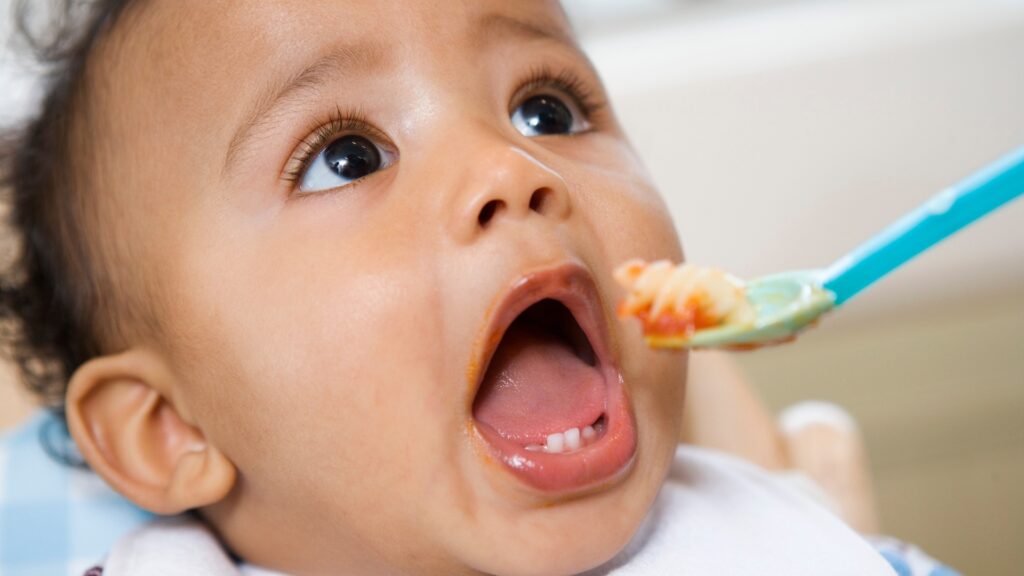
Introducing solid foods is an exciting milestone — a time when your baby begins to explore new textures, tastes, and the wonderful world of food. Done thoughtfully, it lays the foundation for healthy eating habits, growth, and development.
At Carla’s Love School, we guide parents through this stage with gentle, evidence-based advice to ensure your child’s nutritional needs are met while keeping mealtimes joyful and stress-free.
Most health authorities, including the World Health Organization (WHO) and the American Academy of Pediatrics (AAP), recommend starting solids around 6 months of age, while continuing breastfeeding or formula feeding. Signs your baby may be ready include:
Able to sit up with minimal support
Shows interest in food (reaching for it, opening mouth)
Loss of the tongue-thrust reflex
Ability to hold food in their mouth and swallow
Tip: Wait until your baby shows developmental readiness, rather than strictly following a calendar.
When introducing solids, focus on nutrient-rich foods that support rapid growth, brain development, and overall health:
Iron-rich foods: Pureed meats, lentils, beans, and iron-fortified cereals (iron stores from birth start depleting around 6 months).
Healthy fats: Avocado, full-fat yogurt, and nut butters (if safe for your child) support brain development.
Fruits and vegetables: Offer a variety of colours and textures — purees at first, then soft finger foods.
Grains: Oats, rice, and other whole grains provide energy and fiber for digestion.
Scientific note: Repeated exposure increases acceptance. A baby may need to try a new food 10–15 times before accepting it.
Solid feeding is a gradual process:
Purees and mashed foods (6–8 months)
Soft lumps and finger foods (8–10 months)
Small chopped pieces, family foods (10–12 months)
Tip: Encourage self-feeding with fingers or soft spoons — it supports motor development and independence.
Recent research (ESPGHAN, 2023) supports early introduction of allergenic foods (peanut, egg, dairy) between 6–12 months, while continuing breastfeeding if possible, to reduce allergy risk.
Safety first:
Avoid honey before 12 months (risk of botulism)
Avoid choking hazards: whole nuts, grapes, raw carrots, popcorn
Always supervise meals
After 12 months, children transition to more family foods, focusing on balanced meals:
Proteins: Lean meats, eggs, fish, legumes
Fruits & Vegetables: Aim for a rainbow variety every day
Whole grains: Brown rice, oats, wholemeal bread
Dairy: Milk, cheese, yogurt for calcium and vitamin D
Healthy fats: Avocado, olive oil, nut butters (if safe)
Portion guidance: Offer small portions frequently; toddlers have smaller stomachs and appetites vary.
Role model: Children copy your eating behaviour
Offer variety: Repeated exposure encourages acceptance
Involve children: Let them touch, smell, and explore food
Make it joyful: Avoid pressure — mealtimes are for exploration and connection
Introducing solids is a journey, not a race. Focus on variety, safety, and positive experiences — and remember, every child develops at their own pace. By offering nutrient-rich foods, supporting self-feeding, and keeping mealtimes fun, you’re laying the foundation for a lifetime of healthy eating.
References

Playdates aren’t about perfect behaviour or instant friendships. They’re opportunities for children to practise communication, confidence, empathy and emotional resilience—one interaction at a time.


Pregnancy is often described as having three trimesters—but many healthcare professionals now speak about a fourth trimester as well. For new parents, these stages can feel confusing. What exactly happens during each trimester, and why is the postpartum period considered part of the journey?
As a registered nurse and midwife, I often remind families that pregnancy and parenthood are not a single event, but a gradual transition for both mother and baby. Understanding each stage can help parents feel more prepared and supported.

Moving homes is often viewed as an exciting new chapter. Adults tend to focus on the practical side of relocation — the paperwork, furniture, timelines, schools, finances, and planning. But for children, especially babies and toddlers, moving can feel far more profound than adults realize. Even when a move is positive and necessary, it can still deeply affect a child’s emotional world.

Toddler tantrums are one of the most commonly misunderstood aspects of early childhood. To manage them effectively, it is essential to understand what they are, why they occur, and what they signal about a child’s developing brain.

The early months after welcoming a baby are deeply meaningful—but they can also be physically exhausting and emotionally overwhelming. Sleep becomes fragmented, routines shift, and the constant responsibility of caring for a newborn can leave parents feeling depleted.

Nutrition for Sick Toddlers: Supporting Immunity, Energy, and Recovery When toddlers become ill, many parents struggle with feeding. Appetite may decrease, favourite foods may be